
- Login
- |
- (818) 951-7411
- |
- |
- |
- |
- |
THE FIRST FIVE FEET
Posted on 08/31/2026
THE FIRST FIVE FEET
What California’s New “Zone Zero” Rules Mean for Homeowners
If you’ve heard about California’s new Zone Zero regulations and wondered, “What does this actually mean for my house?”—you’re not alone.
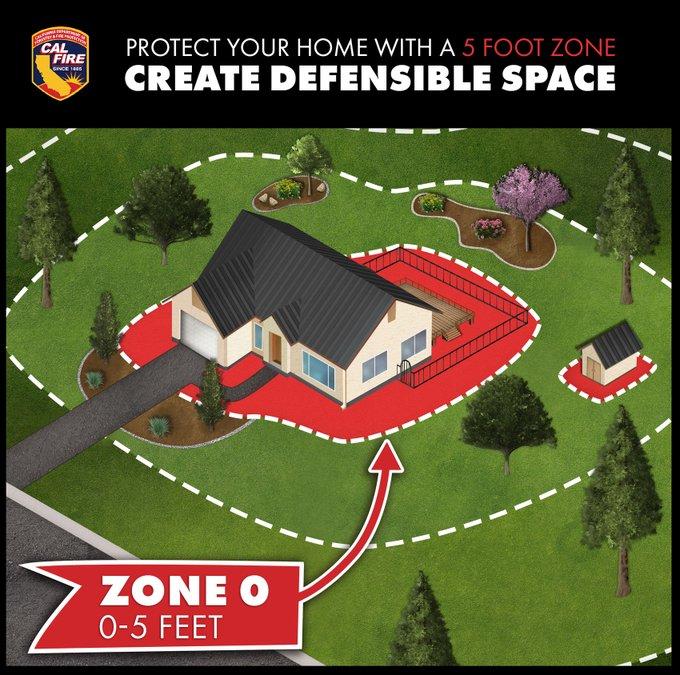
California’s new rules focus on the first five feet surrounding a home, known as Zone 0 or the ember-resistant zone. The idea is simple: during a wildfire, wind-blown embers can travel far ahead of the flames and land in leaves, mulch, wood fencing, firewood, vegetation and other combustible materials next to a house. If those materials ignite, the fire can then spread to the structure itself.
Zone Zero is intended to break that chain.
What is Zone Zero?
California's defensible-space system can be thought of as three layers:
Zone 0: 0–5 feet — Help keep embers from igniting something next to your home.
Zone 1: 5–30 feet — Reduce the ability of fire to travel toward your home.
Zone 2: 30–100 feet — Reduce vegetation and other fuels to lower the intensity of an approaching fire.
What will homeowners need to do?
The goal isn't to eliminate landscaping or turn the area around your home into a parking lot. It's to make the first five feet as ember-resistant as reasonably possible.
That generally means removing combustible mulch and wood chips near the house; keeping dead leaves, pine needles and vegetation off roofs, decks and gutters; moving firewood away from structures; trimming branches away from roofs and walls; and addressing combustible fencing, gates, sheds and other items immediately adjacent or attached to the home. Plants will need to be kept away from the first foot immediately next to the house.
And despite some of the early information circulating about Zone Zero, the rules do not simply require homeowners to cut down mature trees or remove existing wooden decks. Trees can generally remain if properly trimmed for clearance, and existing wooden decks are treated as part of the home, with Zone Zero extending outward from the deck.
When does this happen?
The California Board of Forestry and Fire Protection approved the Zone 0 regulations on August 19, 2026, although the formal regulatory process and effective dates were still being finalized at the time this information was published. Existing homes will have a phased period to come into compliance, with some requirements occurring earlier than others.
The easiest way to think about Zone Zero
Take a slow walk around your house and think like an ember:
If a burning ember landed here, what could catch fire?
A pile of leaves? Wood mulch? A wooden gate attached to the house? Firewood? Dry vegetation under a deck?
Those are the things Zone Zero is intended to address.
Zone Zero won't guarantee that a home survives a wildfire. But combined with regular defensible-space maintenance and home hardening, it gives homeowners another important way to improve their home's chances when the next wildfire comes.
Note: The Zone 0 regulations were approved by the California Board of Forestry and Fire Protection on August 19, 2026, but the formal rulemaking process and effective dates were still being finalized when the source article was published. Requirements may also vary based on a property's fire-hazard designation and local regulations. Adapted with permission from “The First Five Feet: What California’s New ‘Zone Zero’ Rules Mean for Kagel Canyon,” by Kelly Kitko, originally published in the August 2026 Kagel Canyon Hot Sheet.
Upcoming Meetings & Events
- Sep22 Safe Traffic & Transportation Committee Meeting
- Sep26 September Tree Watering Event!
- Sep30 Budget & Finance Meeting
- Sep30 Special Executive Committee Meeting
- Oct03 Community Clean Up Event: Big Tujunga Canyon
- Oct14 Special General Board Meeting - In Person
- Oct27 Safe Traffic & Transportation Committee Meeting

Join Our Mailing List

Neighborhood Council Calendar
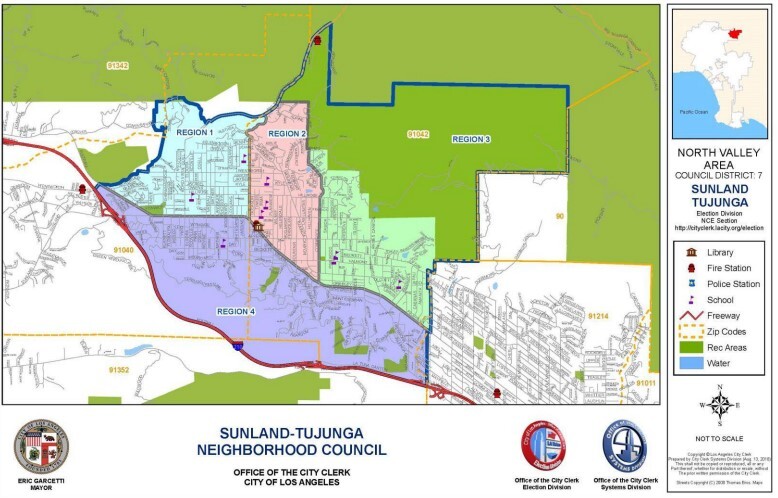
Area Boundaries and Map X